
Bridging Borders, Building Resilience:
…How the Youth Exchange Is Cultivating Climate Solutions Across Southern Africa
When Ross Phiri, a young exchange participant from Zimbabwe, arrived at Mikolongwe Vocational School in Malawi, the sense of belonging was instant.
“Malawi is my second home,” Ross reflected. “I wasn’t surprised by the customs or people because both my parents are Malawian. I immediately felt at home in a country rich with Ubuntu values.”
For Kevin Gurure, another exchange participant from Zimbabwe, Malawi’s warmth was both literal and symbolic.
“Malawi is truly the Warm Heart of Africa,” Kevin said. “From my first interaction at the airport to the classrooms of Mikolongwe vocational school, I found people eager to share knowledge, collaborate, and make lasting change.”
Growing Change Through Exchange
The Youth Empowerment for Climate Change Solutions Project, funded by the Norwegian Agency for Exchange Cooperation (NOREC) and implemented by Development Aid from People to People (DAPP) Malawi in partnership with DAPP Zimbabwe, is creating opportunities for young people to gain hands-on experience in climate-smart agriculture, disaster risk management, and environmental advocacy.
Through practical training, field demonstrations, and work placements, participants are gaining valuable skills in sustainable agriculture, climate adaptation, and community leadership.
“I have learned how farmers can plan for extremes like droughts or floods,” Kevin explained. “These lessons help guide communities to make informed decisions and adopt strategies to cope with climate shocks.”
Sharing Knowledge, Inspiring Communities
The exchange encourages participants to share what they learn with their peers and host communities.
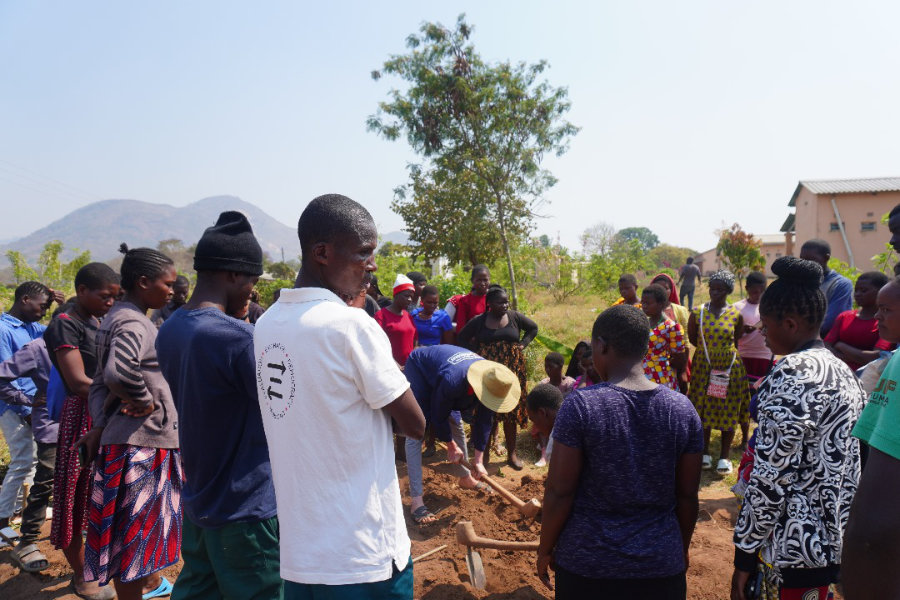
At Mikolongwe Vocational School, Ross has been introducing organic farming and intercropping techniques to fellow students—teaching them how to improve soil fertility, manage pests naturally, and enhance yields through sustainable farming.
Meanwhile, Kevin has been instrumental in helping to establish a Climate Adaptation Centre at Mikolongwe. The Centre is envisioned as a hub for demonstrating integrated food production systems and promoting eco-friendly innovations such as improved cookstoves that reduce deforestation and carbon emissions.
“The Climate Adaptation Centre will showcase how improved cookstoves and sustainable farming can help mitigate the effects of global warming,” Kevin explained. “It will also serve as a platform for youth and farmers to exchange ideas and solutions.”
Greening Minds, Greening the Environment
Project Leader Benito Martin highlighted how the youth participants are transforming their learning into action.
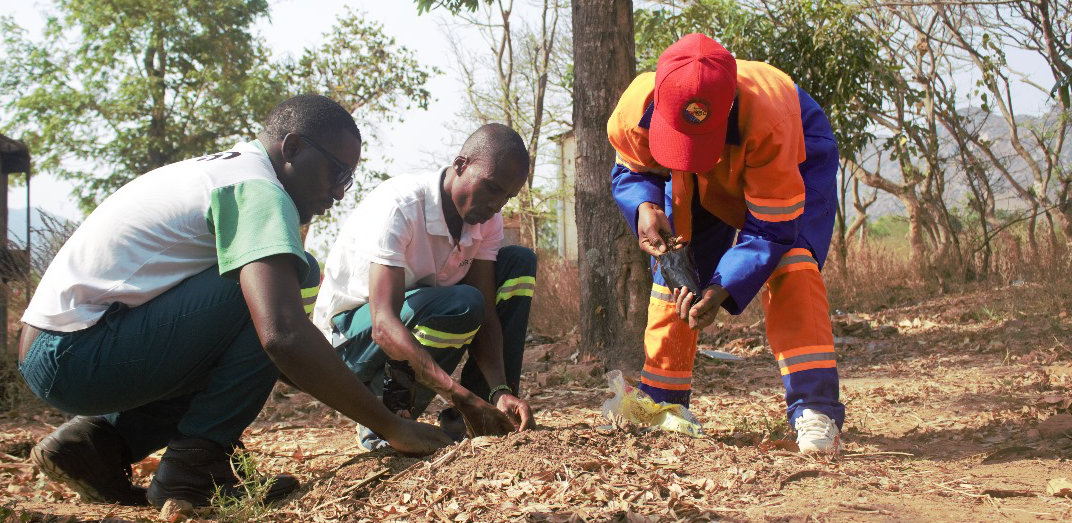
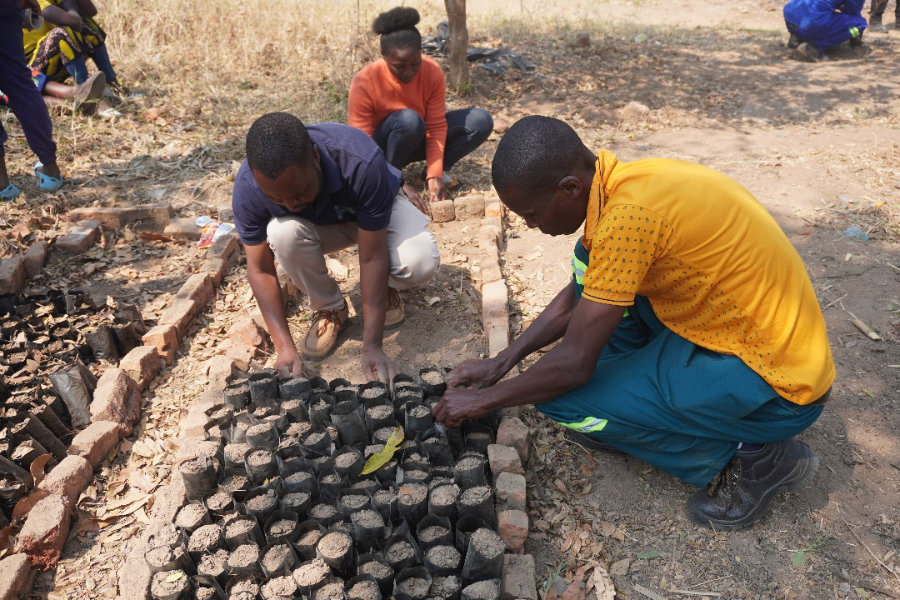
“Our participants are not just learning—they’re leading,” he said. “Three Zimbabwean youth initiated a tree nursery project that engaged over 200 students at Mikolongwe Vocational School. Their goal is to grow 2,000 indigenous trees as part of environmental stewardship.”
This initiative not only contributes to reforestation but also strengthens community participation and awareness about climate resilience.
Overcoming Barriers, Building Bonds
While the exchange has been inspiring, it has also come with challenges. Kevin initially struggled with the language barrier, but quickly found a creative solution.
“After arriving in Malawi, I started watching a local drama series called ‘Apongozi!’ to learn Chichewa,” he said with a smile. “It’s important to connect with people in their own language—it opens doors to collaboration and friendship.”
Ross, who grew up familiar with Malawian customs, adapted easily and helped his peers understand cultural nuances. Their experiences highlight how cultural exchange fosters empathy and strengthens regional unity.
Strengthening Partnerships Across Borders
Beyond the youth themselves, the project is fortifying the collaboration between DAPP Malawi and DAPP Zimbabwe. Through joint planning, shared resources, and mutual learning, the two organisations are deepening their partnership and aligning efforts towards sustainable climate action.
This collaboration is anchored in a NOREC-supported agreement that prioritises climate resilience, gender equality, and transparency—ensuring that every activity contributes to long-term environmental and social impact.
“The exchange has deepened institutional ties and fostered long-term collaboration beyond borders,” said Project Leader Martin. “It’s creating a model for regional partnerships in climate action.”
A Legacy of Leadership and Hope
As the project continues, both Ross and Kevin are eager to apply their experiences back home.
“When I return to Zimbabwe,” Kevin shared, “I want to institutionalise what I’ve learned—to replicate the Climate Smart Agriculture model within DAPP Zimbabwe and mentor more young people to act for the climate.”
For Ross, the exchange has been a transformative journey of growth and leadership.
“This program shows that youth are not the leaders of tomorrow—they are the leaders of today,” he declared. “Through exchanges like this, we can shape the development story of our countries.”
