


Helping communities to take total control of the epidemics - we value every individual an essential block in collectively turning the tides against diseases and epidemics
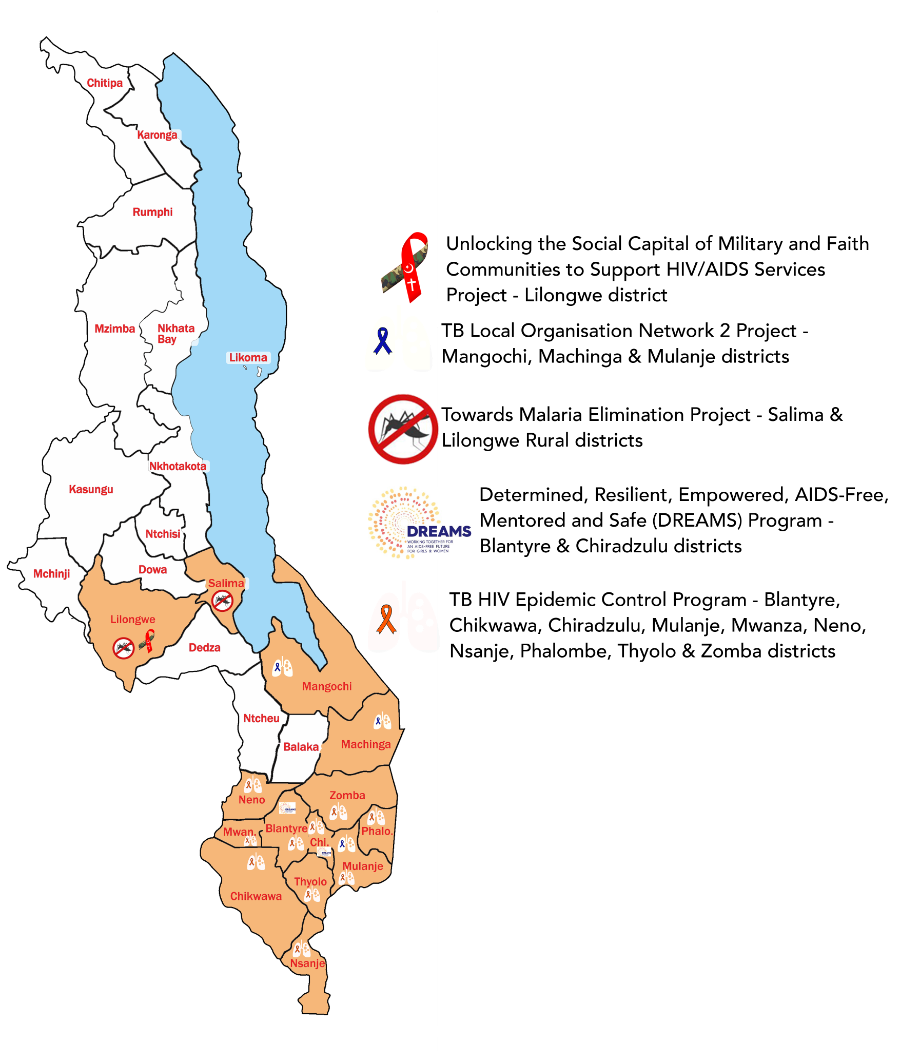
Together with people in their communities we address factors accelerating the spread of HIV, Tuberculosis (TB), and Malaria using our comprehensive, systematic epidemic prevention, care, and control model of Total Control of the Epidemics (TCE) which combines house-to-house case detection, rapid field testing, counselling, education, awareness and community engagement.
Our understanding is that only the people can liberate themselves from AIDS, TB, and other epidemics. This has been instrumental in the engagement of the population in targeted districts in bringing the epidemics under control.
Building on these experiences, we have over the past years scaled up working together with people in their communities to reduce the spread of HIV, tuberculosis (TB), and malaria in various districts in Malawi.

Individuals reached under Tuberculosis detection and community response
Cumulative engagements under HIV prevention and SRHR services
AGYW supported under Education and economic strengthening for HIV prevention

We are working in the districts of Mulanje, Machinga and Mangochi in Southern Malawi, which are characterized by high TB burden. We aim to improve active case finding, improving diagnostic capacity and quality, and supporting treatment adherence with a particular focus on paediatric TB and TB/HIV co-infection management in 3 districts via 42 health facilities. TB cases are detected through implementation of facility-based cough surveillance, community-based contact investigation and systematic screening of micro-epidemic sites and hotspots.
We also build the capacity of healthcare providers in laboratories, clinics, hospitals and communities to improve the quality of diagnosis and case management, especially for childhood TB and TB/HIV. We are working within the health facilities and with the surrounding communities to achieve our goal.
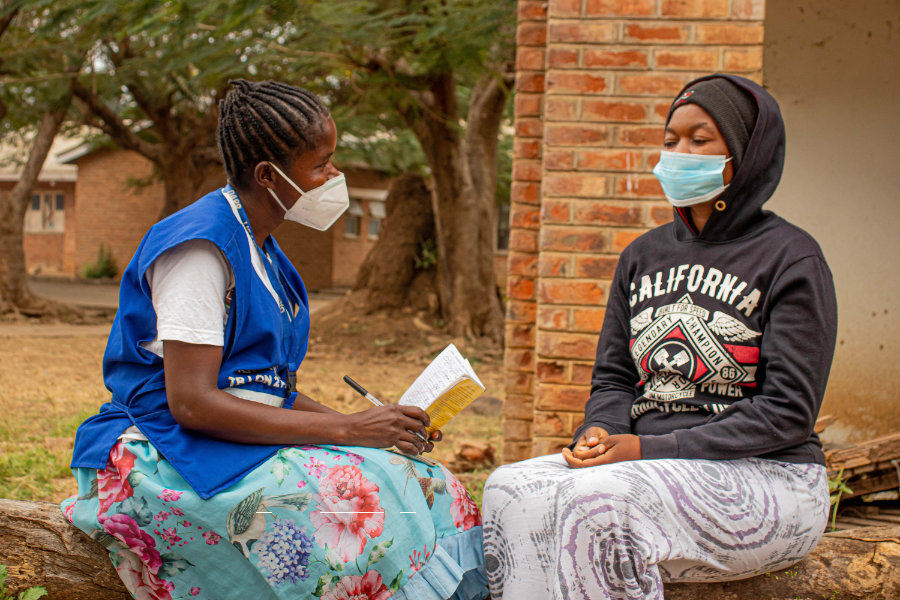
42 DAPP community health workers are working with 2100 community volunteers with the aim of strengthening the community sputum collection points around each health facility. Community volunteers implement community-based contact investigation and systematic screening of micro-epidemic sites and hotspots. They are also the link between the community and the Health Facilities.
The project is being implemented with funding from USAID under the title “TB Local Organisation Network (LON) 2” and is implemented in collaboration with KNCV Tuberculosis Foundation as our sub partner and with extensive engagement with National TB and Leprosy Elimination Program under the Ministry of Health at national as well as local level.

Together with the adolescent girls, parents and the local communities in Chiradzulu and Blantyre we work to reduce the risk of HIV among adolescent girls and young women. The adolescent girls & young women are at the centre of the project activities - organized through the Determined, Resilient, AIDS- Free Mentored and Safe (DREAMS) clubs. They are empowered to reduce their own risks and start to build new opportunities for themselves towards a better future.
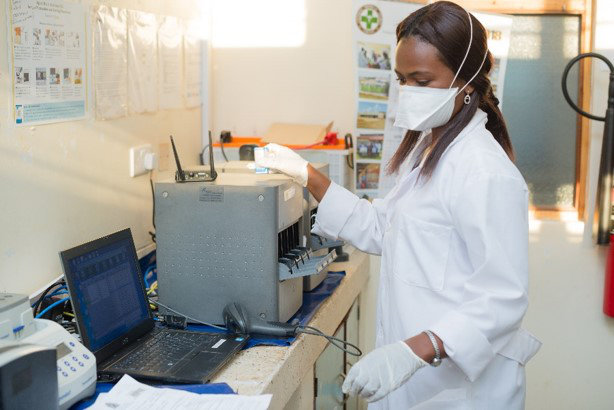
We are working to identify barriers to TB services caused by stigma and discrimination, which limit access to diagnosis and treatment we are implementing a comprehensive assessment and spearheading the development of a National Costed Action Plan that aims to address tuberculosis (TB) stigma in Malawi. We have focused our study on three high TB-burden districts: Blantyre, Lilongwe, and Karonga.
Lessons from this assessment have informed creation of a drafted costed action plan to improve TB care and support services. The study also emphasized on advocacy and communication strategies to raise awareness and address TB-related challenges. The study involved diverse stakeholders, including district health teams, community leaders, TB survivors and advocacy groups, ensuring a collaborative approach. By engaging in local and global TB advocacy initiatives, we aim to foster accountability and integrate our outcomes into Malawi’s broader TB strategy.
The project is being implemented in collaboration with the National TB and Leprosy Control Program (NTLEP), and Facilitators of Community Transformation (FACT) with funding from Stop TB Partnership - United Nations Office for Project Services (UNOPS) under the “Challenge Facility for Civil Society Round 11”. The project started in March 2023 and is ending on 30 November 2024.

The primary objective of this project is to improve quality, accessibility and utilization of malaria services for pregnant mothers and children under five years in Lilongwe Rural and Salima districts. TOME engages with 48 health facilities in Lilongwe rural and benefits all 24 health facilities in Salima. Additionally, the project supports 235 village health clinics (VHCs), providing integrated community case management (iCCM) with a distribution of 109 VHC in Lilongwe and 126 VHC in Salima.

