

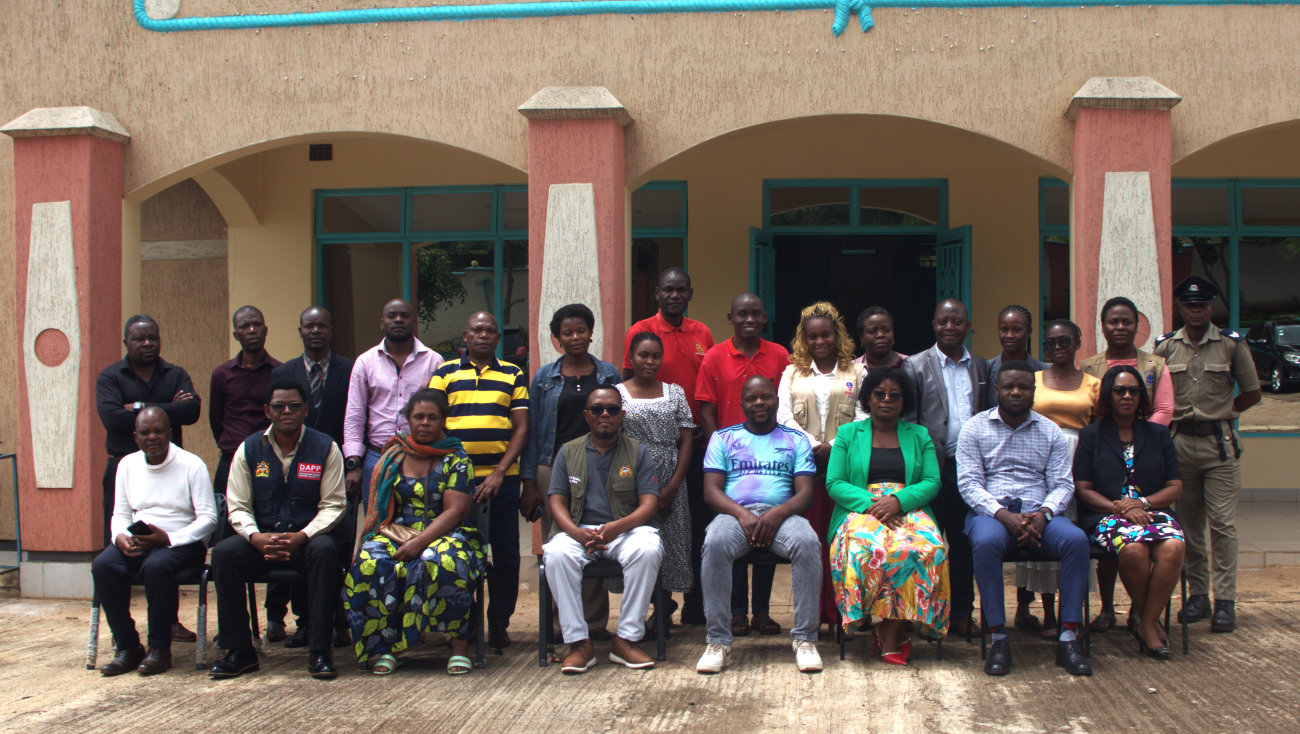
At least Twenty duty bearers in Dowa District have been challenged to take firm and practical steps to promote and safeguard the rights of persons with disabilities following a one-day training on the African Disability Protocol (ADP).
Opening the training on Monday, DAPP Malawi’s Grants and Monitoring and Evaluation Officer, Lansen Chikopa, said the session was aimed at equipping local officials with the knowledge and skills required to domesticate and implement the Protocol at district level.
Chikopa said the training sought to enhance understanding of the ADP within Malawi’s legal and policy framework and ensure that disability inclusion is integrated into district development plans, budgets and service delivery systems.
“We want to see disability issues deliberately mainstreamed in planning and budgeting processes at council level,” he said, adding that the initiative also seeks to promote positive attitudes and meaningful participation of persons with disabilities in local governance structures.
Principal Disability Affairs Officer in the Department of Disability and Elderly Affairs, Charles Blaimu, told participants that the ADP complements the United Nations Convention on the Rights of Persons with Disabilities (UNCRPD) and is in line with Malawi’s Constitution in advancing disability rights.
“The ADP strengthens our legal framework by addressing African-specific realities such as harmful cultural practices, poverty and limited access to justice. It reinforces the principles of dignity, equality, non-discrimination and accessibility, and places clear obligations on duty bearers,” Blaimu said.
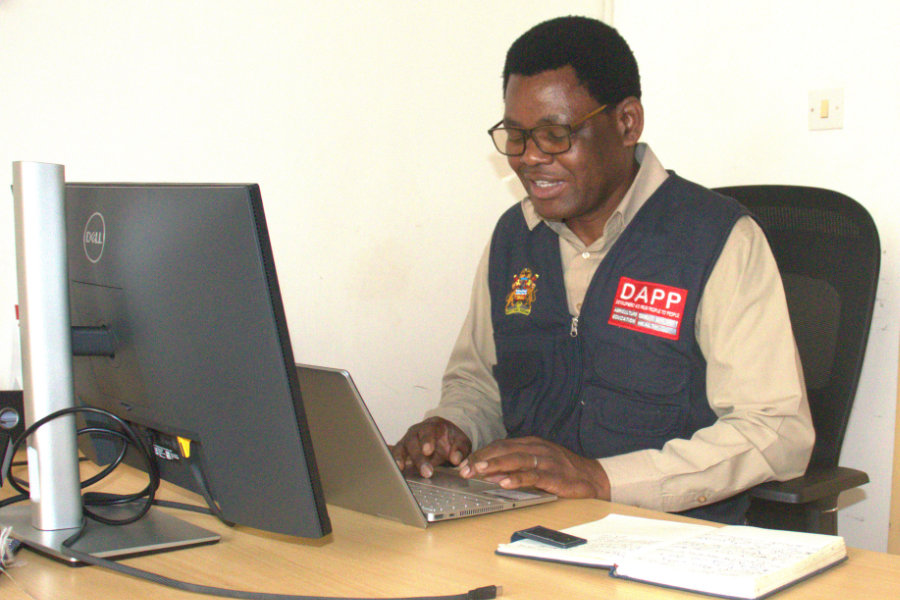
Lansen Chikopa

Charles Blaimu

Felistus Ngalande
He noted that although Malawi ratified the Protocol in 2023, effective implementation requires harmonisation of national laws, disability-inclusive budgeting and strong accountability mechanisms at all levels.
Social Welfare Assistant for Dowa Social Welfare Office, Felistus Ngalande, outlined the responsibilities of local authorities and government institutions in advancing disability rights and inclusive governance. Citing provisions of the Persons with Disabilities Act (2024).
She said government entities are legally required to promote, protect and fulfil the rights of persons with disabilities.
Ngalande highlighted key rights guaranteed under the law, including protection from harmful cultural practices and degrading treatment, access to health and rehabilitation services, inclusive education, employment opportunities, accessible public infrastructure, social protection, access to justice and participation in political and public life “Inclusive governance requires deliberate action. Persons with disabilities must be involved at every stage of development planning and decision-making,” she said.The training also focused on practical strategies for mainstreaming disability in district development frameworks and strengthening coordination, data collection and monitoring systems.
Sergeant Haizeck Sankhulani of Dowa Police Station said the training had reinforced the responsibility of law enforcement officers to protect vulnerable groups.
“As duty bearers, we feel obliged to protect and uphold the rights of persons with disabilities. The law is clear, and we must ensure these rights are respected and enforced,” Sankhulani said.
It is anticipated that the training will raise awareness of the ADP among the 20 participants in Dowa, enhance institutional capacity and strengthen collaboration between government offices and Organisations of Persons with Disabilities (OPDs), ultimately contributing to more inclusive policies and programmes at district level.
The training was organized by DAPP Malawi in partnership with Women and Girls (WAG) Disability Rights under the European Union Delegation in Zambia-funded United for African Disability Protocol (U4ADP) Project.
The participants were drawn from Dowa District Council and key government ministries, including Health, Education, Public Works and Local Government, as well as the Malawi Police Service.
